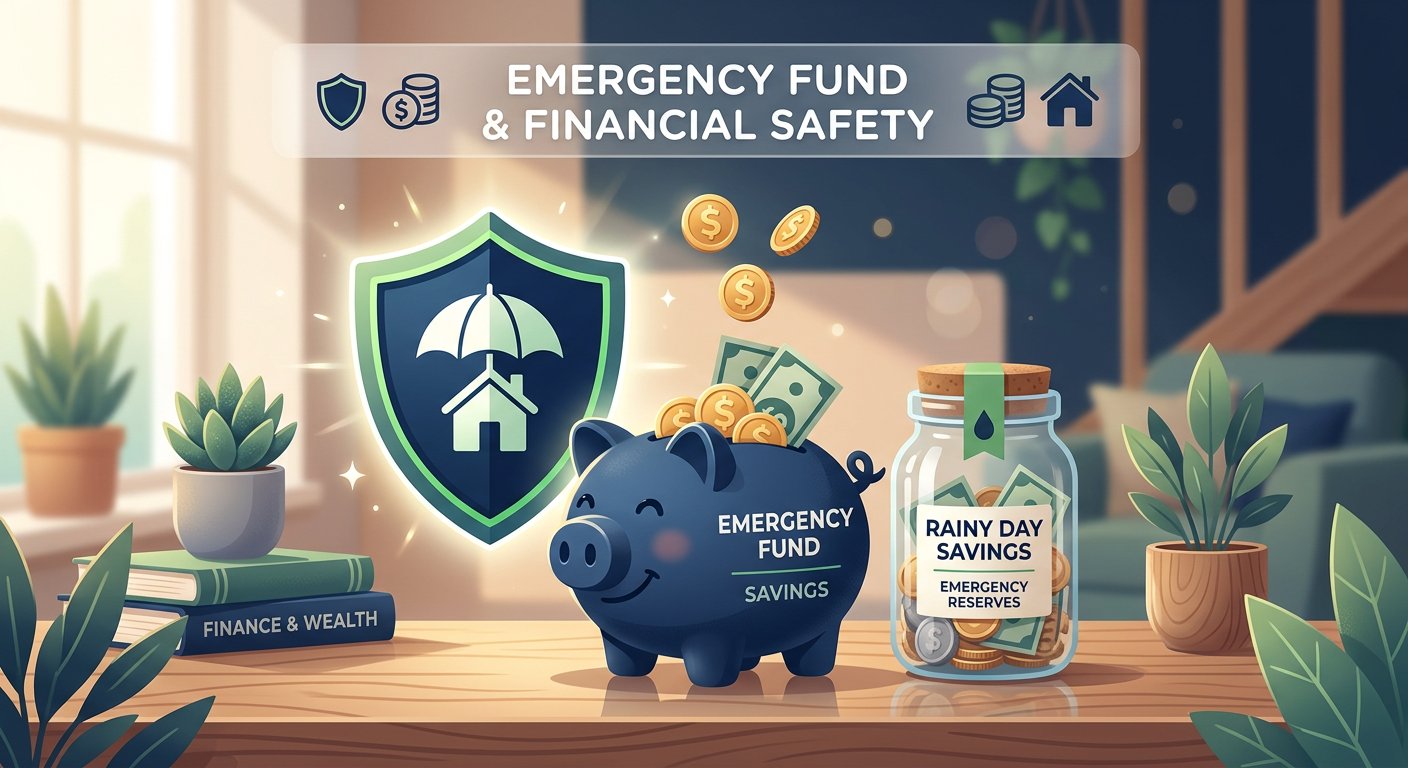
Before you invest a single rupee in stocks or mutual funds, there's one financial step that matters even more: building an emergency fund. It may not be exciting, but it's the foundation that keeps your entire financial life stable. Let me explain why it's so important and how to build one.
What Is an Emergency Fund?
An emergency fund is a pool of money set aside specifically for unexpected expenses — things like a sudden job loss, a medical emergency, urgent home or vehicle repairs, or any crisis that requires immediate cash. It's your financial safety net.
Why You Need It Before Investing
Here's the problem: investments like stocks and mutual funds can go up and down in value. If an emergency strikes and your money is tied up in investments, you might be forced to sell at the worst possible time — when prices are low — locking in losses.
An emergency fund prevents this. With cash readily available, you can handle life's surprises without disturbing your investments, allowing them to grow undisturbed over the long term.
How Much Should You Save?
A common guideline is to save 3 to 6 months of your essential living expenses. The right amount depends on your situation:
- 3 months: If you have a stable job and few dependents.
- 6 months or more: If you have a variable income, dependents, or work in an uncertain field.
To calculate this, add up your monthly essentials — rent, food, utilities, EMIs, insurance — and multiply by the number of months you want to cover.
Where Should You Keep It?
Your emergency fund should be safe and easily accessible — not locked away or exposed to market risk. Good options include:
- A separate savings account
- A fixed deposit with easy withdrawal
- A liquid mutual fund (for slightly better returns, with quick access)
Avoid keeping it in stocks or equity funds, since their value can drop right when you need the money most.
How to Build Your Emergency Fund
- Set a target amount based on your monthly expenses.
- Open a separate account so you're not tempted to spend it.
- Save a fixed amount every month until you reach your goal.
- Only use it for genuine emergencies.
- Replenish it whenever you dip into it.
Final Thoughts
It's tempting to jump straight into investing, especially when you're excited to grow your money. But building an emergency fund first is one of the smartest financial moves you can make. It gives you peace of mind, protects your investments, and ensures that a single unexpected event won't derail your financial future. Build your safety net first — then invest with confidence.